
By Dr Victoria Wills
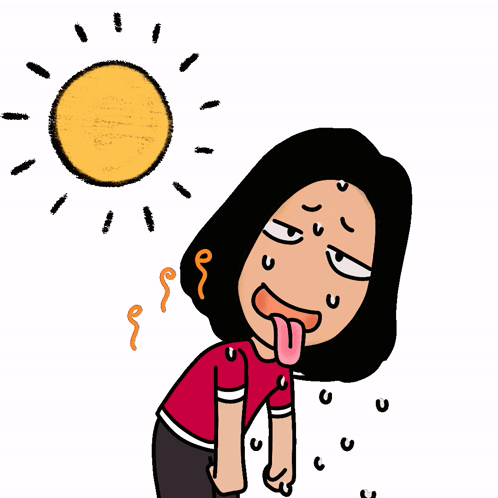
As a healthcare professional and a woman who has navigated the challenges of menopause, I can attest that it is much more than hot flashes, mood swings and brain fog. It is a transition that affects all aspects of your body, mind and confidence. The good news is that you don’t have to simply endure it or get through it. There are concrete, holistic steps you can take to empower you to feel like your best self again. My goal is to share tools that can help you regain balance and embrace this new chapter with confidence and strength.
Start with What You Eat
Food is medicine. A diet that supports both heart and hormone health is essential—one that’s high in fiber, low in saturated fat (while including the healthy fats your brain needs), low in added sugars, and rich in antioxidants. This means focusing on proteins, fresh fruits, vegetables, whole grains, nuts, and omega-3s. If you tolerate soy products like edamame, tofu, and soy milk, they can be especially helpful since they contain isoflavones, plant compounds that mimic estrogen and may reduce hot flashes while supporting bone health.
Don’t forget about calcium (around 1,500 mg daily) and vitamin D (400–800 IU), which are crucial for maintaining strong bones and preventing fractures, especially since osteoporosis becomes a greater risk after menopause.
This kind of eating not only nourishes your body but also helps manage the changes menopause brings.
Exercise is Essential to Your Health
You don’t have to be an athlete, what matters most is moving your body regularly throughout the day. The general recommendation is about 150 minutes of exercise per week, but I often suggest breaking it into manageable chunks, like 5 to 10 minutes of movement three times a day in a way that fits your lifestyle.
For example, I like to start my mornings by waking up a half hour early to ride 5 to 15 minutes on my exercise bike, then do some light weight-bearing exercises that mobilize my arms and strengthen my core, followed by a short meditation. At lunchtime, a quick 5-minute burst of activity such as walking, high steps, or squats helps keep me energized. In the evening, I like to wind down with gentle yoga, stretches, and relaxation techniques.
Daily movement like walking, yoga, or light strength training helps. Cardiovascular exercise supports your heart, weight-bearing activity strengthens your bones, and resistance training boosts mood and sleep. The most important part is to find something you enjoy and stick with it. Consistency matters more than intensity.
Check back next week for the second part of this Menopause info article.
References:
Medline Plus: National Library of Medicine. (Last updated 2024). Menopause. Retrieved August 4, 2025 from https://medlineplus.gov/menopause.html
Neff, M. J. (2004). NAMS releases position statement on the teatment of vasomotor symptoms associated with menopause. American Family Physician. 70(2):393-399. Retrieved August 4, 2025 from https://www.aafp.org/pubs/afp/issues/2004/0715/p393.html
 Southwest Healing